
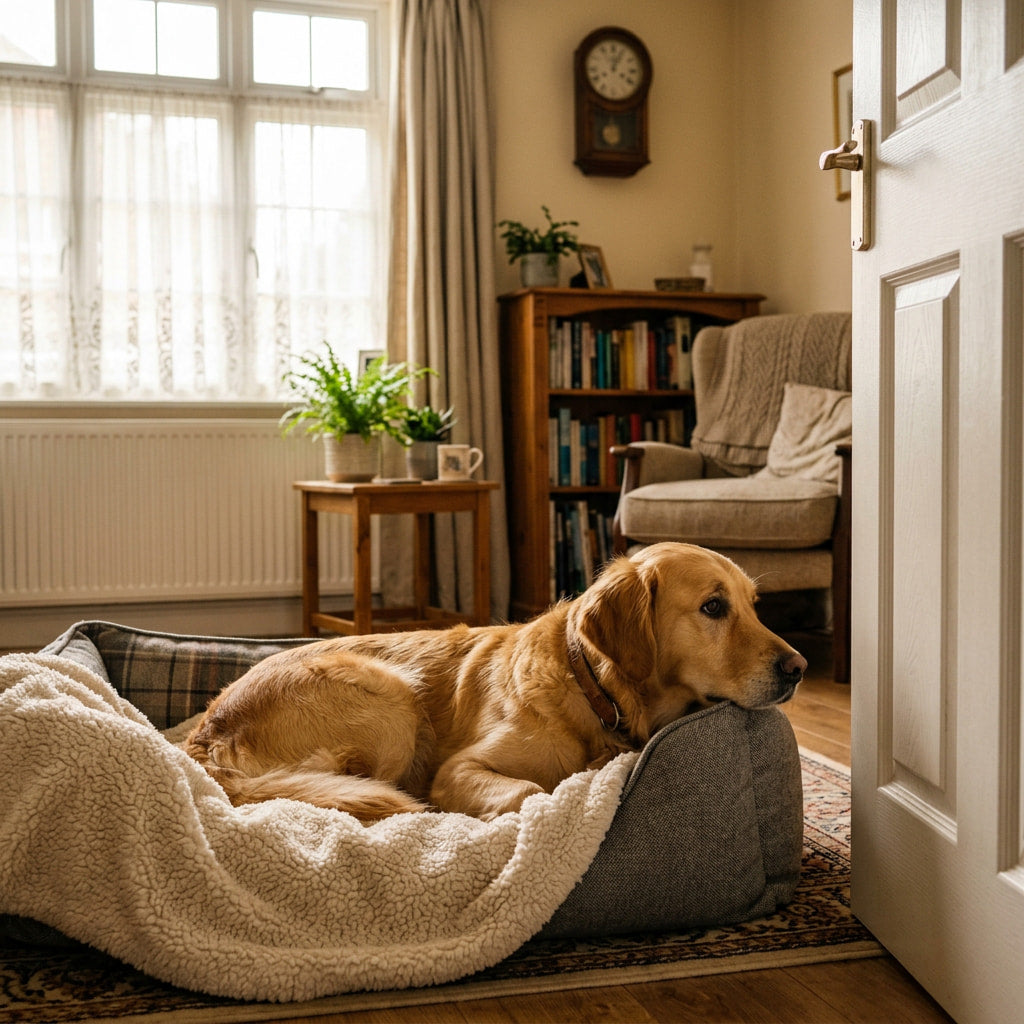
For most families, the back to school period is a whirlwind of new uniforms, packed lunches and early mornings. But while you're focused on getting everyone out of the door, there's one family member who's noticed the change — and isn't entirely sure what to make of it. 🐾
Your dog.
After weeks of having their favourite humans around all day, the sudden return to an empty house can be genuinely unsettling for dogs. Separation anxiety spikes every September — vets and behaviourists see it every year without fail. And it doesn't just affect rescue dogs or particularly anxious breeds. Any dog who has got used to company can struggle when the routine suddenly shifts.
The good news? A little preparation goes a long way. Here's everything you need to know to help your dog through the back to school transition. 💛
Why Do Dogs Struggle When Routines Change?
Dogs are creatures of habit. They thrive on routine, predictability and knowing what comes next. Over the summer holidays, your dog has recalibrated their entire day around having people at home — and when that changes overnight, it can feel very abrupt and confusing to them.
Common signs that your dog is struggling with the change include:
😟 Excessive barking or whining when left alone
😟 Destructive behaviour — chewing furniture, scratching doors
😟 Toileting inside despite being house trained
😟 Pacing, restlessness or inability to settle
😟 Clinginess when you are home — following you from room to room
😟 Loss of appetite
😟 Over-excitement when you return, beyond their usual greeting
If your dog is showing any of these signs, don't panic — most cases of mild to moderate separation anxiety can be significantly improved with the right approach.
Start Preparing Before School Goes Back
The single most effective thing you can do is start the preparation process before the routine changes — not after.
Practice being apart now
If your dog has had you around all summer, begin leaving them alone for short periods in the days before school starts. Start with 10–15 minutes and gradually build up to longer periods. This helps them adjust to being alone before the big change hits all at once.
Shift the routine gradually
Start moving walks, feeding times and your morning routine closer to what they'll look like during term time — a week or so before school starts. Dogs adjust much more smoothly to gradual change than sudden shifts.
Don't make a big deal of leaving
It's tempting to give your dog a long, loving goodbye — but this can actually increase their anxiety. Keep departures calm and low-key. A quick pat, a treat, and out the door. The calmer you are, the calmer they'll be.
Create a Comfortable, Safe Space at Home
When your dog is home alone, having a space they associate with comfort and safety makes a huge difference to how settled they feel.
Soft Fleece Pet Blanket 👈
A familiar blanket with your scent on it can be incredibly comforting for a dog home alone. Our ultra-soft fleece pet blanket is perfect for lining their bed or crate — warm, cosy and washable. Available in white, beige, pink and purple. 🐾
Make sure their bed or crate is in a quiet part of the house away from the front door — being close to the door means they'll hear and react to every noise outside, which keeps them on high alert all day.
Keep Them Mentally Stimulated
A bored dog is an anxious dog — and an anxious dog finds ways to entertain themselves that you probably won't appreciate. 😅
Mental stimulation is just as tiring as physical exercise for dogs — and a mentally tired dog settles far better when left alone.
Dog Tennis Ball Pack of 18 👈
Leave a few balls around the house for your dog to find and carry — dogs love having something in their mouth when they're anxious, and a tennis ball is the perfect comfort object. With 18 in a pack, you'll never run out! Available in 12 fun colours. 🎾🐾
Other great options for mental stimulation while home alone include puzzle feeders, Kong toys stuffed with treats and lick mats — anything that keeps their brain engaged and their attention focused on something positive.
Address Barking Before It Becomes a Habit
Barking when left alone is one of the most common — and most complained about — signs of separation anxiety. And once it becomes a habit, it can be harder to break.
The key is to address it early, calmly and consistently.
Automatic Bark Stopper 👈
Our automatic bark stopper uses smart sound recognition to detect barking and responds with a gentle ultrasonic sound that interrupts the behaviour — no buttons, no intervention from you needed. Simply place it in the room where your dog spends most of their time and let it work quietly in the background. Safe, humane and suitable for dogs aged 6 months to 8 years. 🔇🐾
Pair it with consistent training and positive reinforcement for the best results.
Make Sure They're Getting Enough Exercise
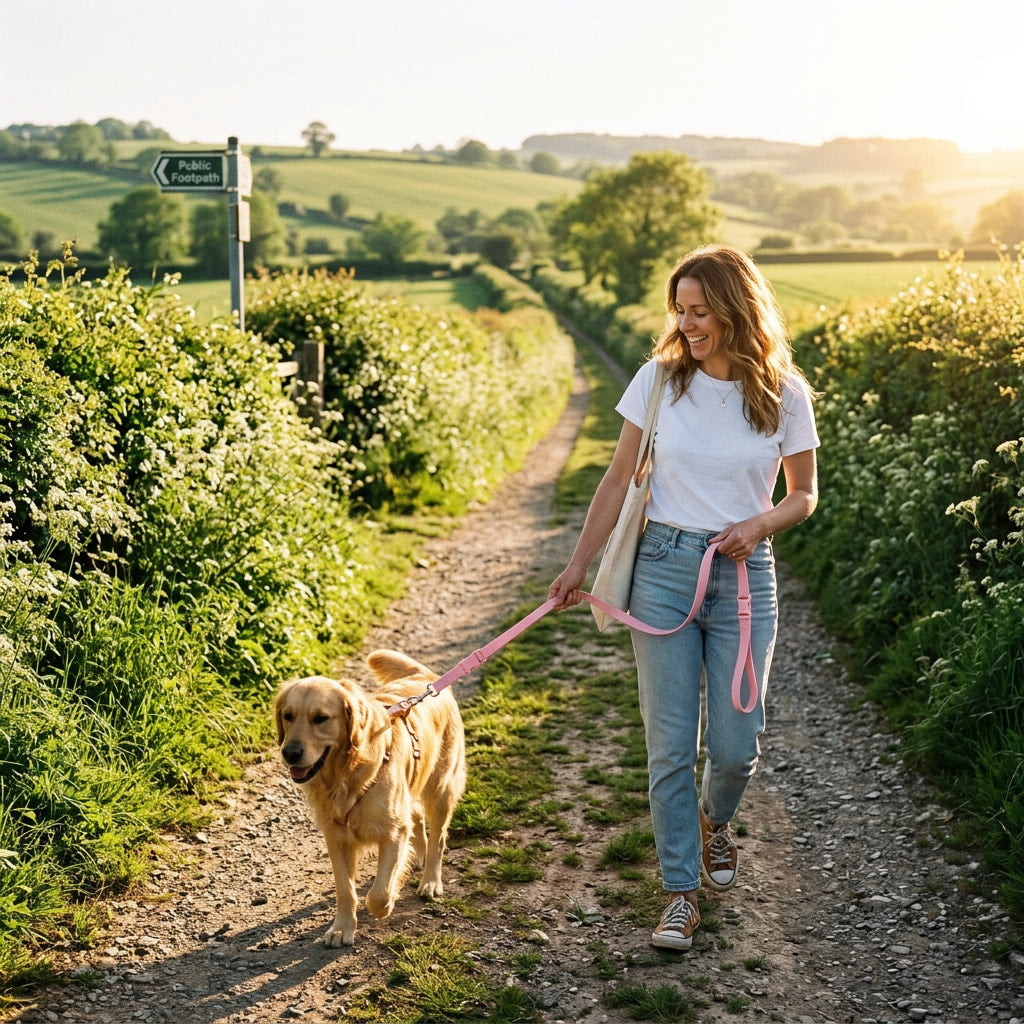
A well-exercised dog is a calmer dog — it really is that simple. A good walk before the school run can make a significant difference to how settled your dog is for the rest of the morning.
Waterproof Dog Lead 👈
Whatever the weather — and let's face it, September in the UK is unpredictable — our waterproof dog leads keep walks comfortable and hassle-free. Available in 9 colours and built to handle everything British weather throws at them. 🌧️🐾
If possible, arrange a lunchtime walk too — either from a dog walker or a trusted friend or family member. Breaking the day up makes a huge difference to how your dog copes with longer periods alone.
Know Where They Are
If your dog is being walked by someone else during the school day — or if they have access to a garden — a GPS collar gives you real-time peace of mind wherever you are.
GPS Dog Collar 👈
Track your dog's location in real time from your phone — so whether they're with their walker, in the garden or somehow managed to get further than expected, you always know exactly where they are. 🗺️🐾
When to Seek Extra Help
For most dogs, a combination of gradual preparation, good exercise, mental stimulation and a comfortable safe space is enough to get through the back to school period smoothly.
But if your dog's anxiety is severe — if they're causing significant damage, injuring themselves, or showing extreme distress — it's worth seeking professional support. A qualified dog behaviourist can make a huge difference, and your vet may also be able to recommend calming supplements or other interventions if needed.
Signs that professional help might be needed include:
⚠️ Injuring themselves trying to escape
⚠️ Severe destructive behaviour every time you leave
⚠️ Not eating at all while you're out
⚠️ Neighbours reporting non-stop barking or howling
⚠️ No improvement despite consistent training efforts
A Quick Back to School Checklist
Before the first day back, run through this list:
✅ Start practising alone time now — before school starts
✅ Shift feeding and walk times gradually to match term time
✅ Set up a cosy, safe space away from the front door
✅ Stock up on mental stimulation — balls, puzzle feeders, Kongs
✅ Arrange a lunchtime walk if possible
✅ Address any barking early with calm, consistent training
✅ Keep departures low-key and calm
Final Thoughts
The back to school transition doesn't have to be a difficult time for your dog. With a little preparation, the right environment and the right products in your corner, most dogs adapt beautifully — and September becomes just another month rather than a source of stress for everyone. 💛
Because a calm, settled dog at home means you can focus on the school run, the packed lunches and everything else that September throws at you — without worrying about what's happening back at the house. 🐾
Shop now at urbanpetshop 👈
🚚 Free UK shipping on all orders over £24.99

Leave a comment
All comments are moderated before being published.
This site is protected by hCaptcha and the hCaptcha Privacy Policy and Terms of Service apply.