
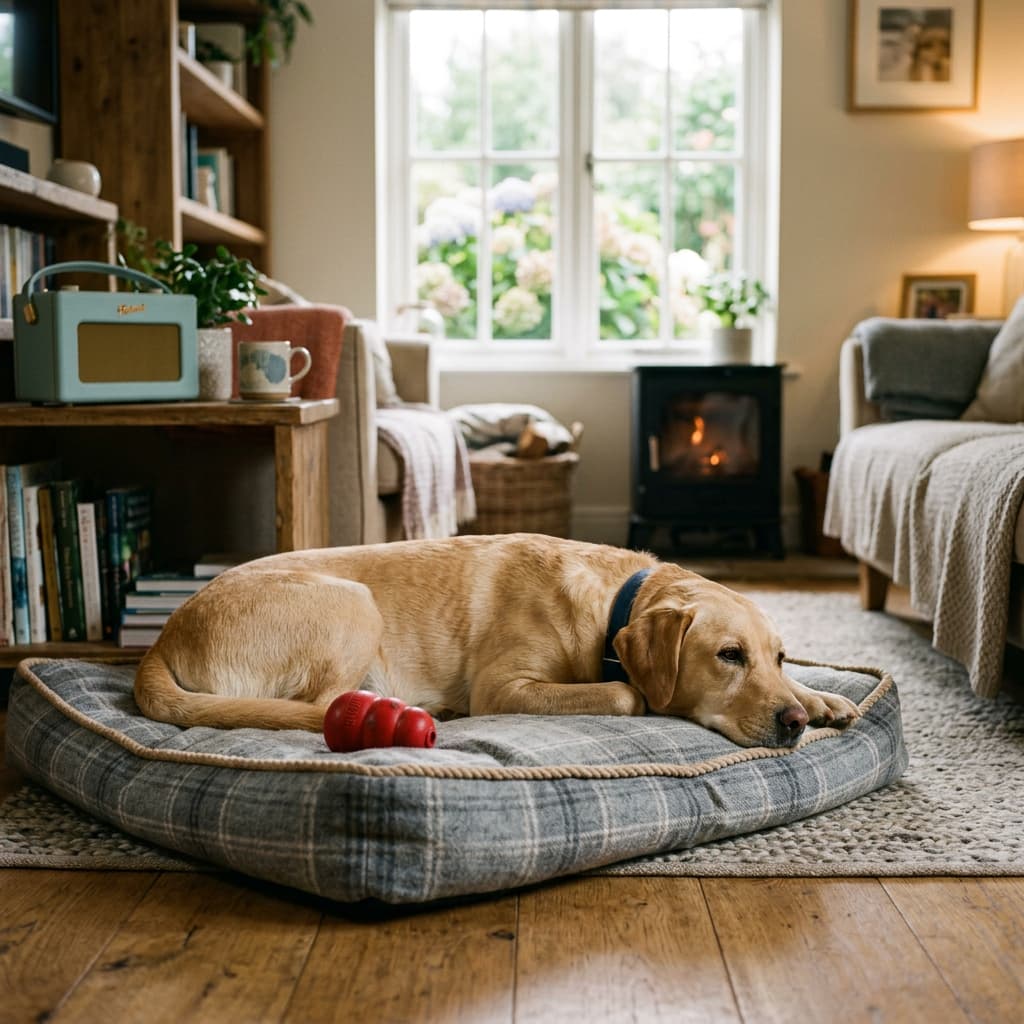
For many dogs, the past few years have been something of a dream — their favourite human home all day, every day, with walks on demand, constant company and no long lonely stretches. But when routines change and owners head back to the office, that sudden shift can hit dogs hard.
Separation anxiety is one of the most common behavioural issues in dogs — and returning to work after a period at home is one of the most common triggers. The good news is that with the right approach, you can help your dog adjust gradually, calmly and with minimal stress for both of you.
Here's everything you need to know.
Why Do Dogs Struggle When Owners Return to Work?
Dogs are social animals who form incredibly strong bonds with their owners. When that bond is suddenly disrupted by long absences — particularly after a period of constant companionship — dogs can experience genuine distress.
This isn't stubbornness or bad behaviour. It's anxiety. And it can manifest in all kinds of ways including destructive behaviour, excessive barking, toileting indoors and physical symptoms like vomiting or loss of appetite.
Some dogs are naturally more prone to separation anxiety than others — rescue dogs, velcro breeds like spaniels and labradors, and dogs who were acquired during lockdown are particularly susceptible.
Signs Your Dog Is Struggling With Separation
Watch out for these signs that your dog is finding time alone difficult:
- Barking, howling or whining when you leave
- Destructive behaviour — chewing furniture, scratching doors
- Toileting indoors despite being house trained
- Pacing or restlessness when you prepare to leave
- Excessive greeting when you return — beyond normal excitement
- Refusing to eat when left alone
- Following you from room to room constantly
- Vomiting or digestive issues triggered by stress
If your dog shows several of these signs consistently, separation anxiety is likely the cause.
How to Help Your Dog Adjust
1. Start Practising Before You Go Back
The worst thing you can do is go from being home all day to suddenly disappearing for eight hours with no warning. Start preparing your dog well in advance by gradually reintroducing alone time while you're still at home.
Begin with just a few minutes — go into another room and close the door. Then build up slowly over days and weeks until your dog is comfortable being alone for longer periods.
2. Change Your Departure Routine
Dogs are incredibly perceptive. They pick up on the cues that signal you're about to leave — picking up your keys, putting on your coat, checking your bag. Over time these cues become triggers for anxiety.
Desensitise your dog to these triggers by performing them without actually leaving. Pick up your keys and sit back down. Put your coat on and make a cup of tea. This breaks the association between the cue and your departure and reduces the anxiety that builds before you've even left.
3. Keep Departures and Arrivals Low Key
As tempting as it is to make a big fuss of your dog before you leave and when you get home, emotional goodbyes and over-excited reunions actually reinforce the idea that your absence is a big deal.
Instead, leave and return calmly and quietly. Give your dog a brief, matter-of-fact goodbye and wait a few minutes after arriving home before giving them attention. This helps your dog learn that your comings and goings are perfectly normal.
4. Create a Safe and Comfortable Space
Give your dog a designated safe space where they feel secure when you're not there — a comfortable bed in a quiet area of the house, with familiar smells and a piece of your clothing nearby for comfort.
Some dogs do better in a crate where they feel enclosed and protected. Others prefer the freedom to move around. Get to know what works best for your dog.
5. Provide Plenty of Mental Stimulation
A tired, mentally stimulated dog is far less likely to become anxious or destructive when left alone. Before you leave for work:
- Give them a good walk or run
- Leave puzzle feeders or Kong toys stuffed with food to keep them occupied
- Scatter feed their breakfast to extend feeding time
- Leave the radio or TV on for background noise and company
6. Consider a Dog Walker or Day Care
If your dog genuinely struggles with long periods alone, a dog walker midday or a doggy day care a few days a week can make an enormous difference. Breaking up the day means your dog is never alone for too long and gets social interaction and exercise in between.
7. Use Calming Products
There are a range of dog-friendly calming products that can help take the edge off separation anxiety — from calming sprays and plug-in diffusers to anxiety wraps and calming treats. These work best as part of a wider plan rather than a standalone solution, but can be a helpful addition.
8. Build Independence at Home
Help your dog become more comfortable in their own company while you're still around by not always responding to attention-seeking behaviour and encouraging them to settle in their own space. You can reward calm, independent behaviour with treats and praise.
The goal is to help your dog understand that being alone is normal, safe and nothing to worry about.
9. Be Patient and Consistent
Adjusting to a new routine takes time — for both of you. Progress may be slow and there will likely be setbacks. The key is to stay consistent, keep sessions positive and never punish your dog for anxious behaviour. Punishment will only increase their stress and make things worse.
10. Seek Professional Help if Needed
If your dog's separation anxiety is severe — if they're injuring themselves, causing serious damage or showing extreme distress — it's worth seeking help from a qualified dog behaviourist or speaking to your vet, who may be able to suggest additional support.
Final Thoughts
Returning to work after time at home is a big adjustment for your dog — but with patience, preparation and the right approach, most dogs can learn to feel calm and secure in their own company.
The earlier you start preparing the better, so if you know a routine change is coming, begin the gradual process of building independence as soon as possible.
At Urban Pet Shop we believe every dog deserves to feel safe and comfortable — whether you're there or not. 🐾
👉 Explore our full range at urbanpetshop.co.uk — FREE shipping on orders over £24.99 and up to 35% off in our Summer Sale, automatically applied at checkout!

Leave a comment
All comments are moderated before being published.
This site is protected by hCaptcha and the hCaptcha Privacy Policy and Terms of Service apply.