
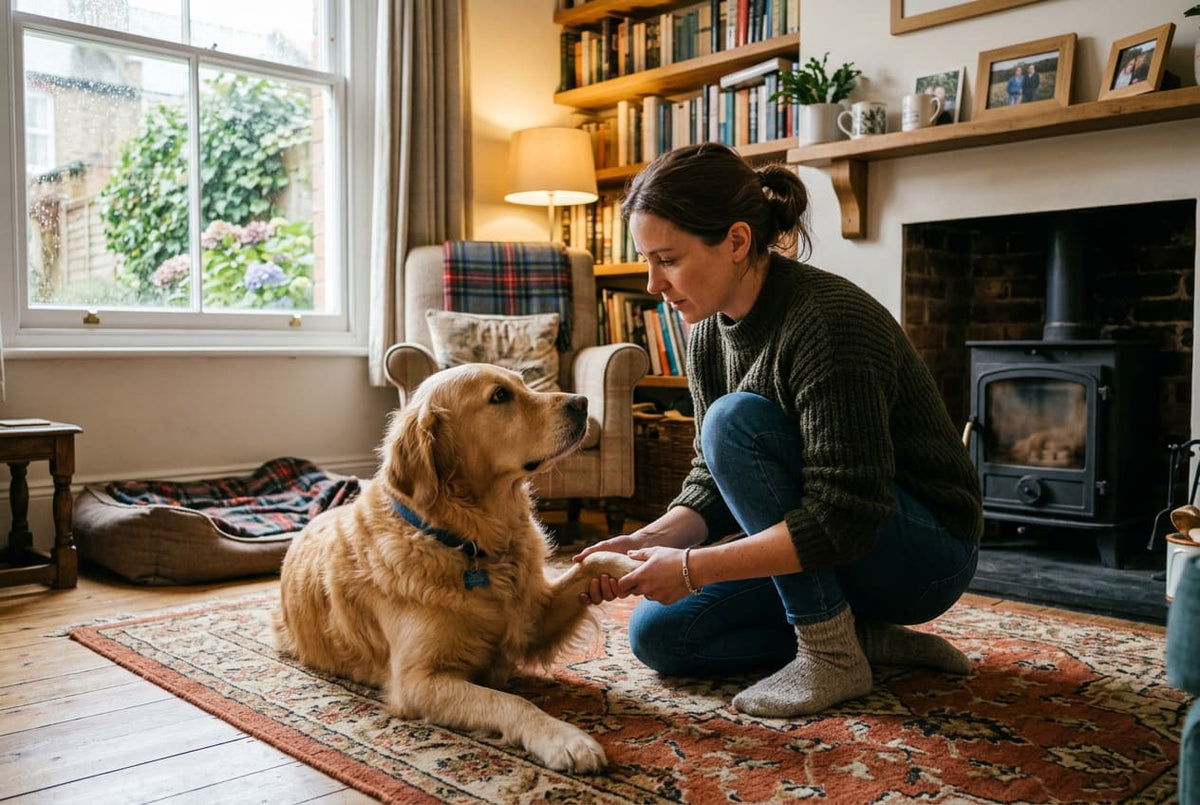
As dog owners, we know our pets better than anyone. We know their habits, their quirks and their routines — which is exactly why we're often the first to notice when something isn't quite right. But knowing when to call the vet and when to wait it out can be tricky, especially for new dog owners.
The truth is, dogs can't tell us when they're feeling unwell. Instead, they communicate through changes in behaviour, appearance and body language. Knowing what to look out for could make all the difference — and in some cases, it could even save your dog's life.
Here are 10 signs your dog may need to see the vet — and why you should never ignore them.
1. Loss of Appetite or Refusing to Eat
A healthy dog is usually an enthusiastic eater. If your dog suddenly loses interest in their food or refuses to eat for more than 24 hours, it's worth paying attention. Occasional fussiness is normal, but a persistent lack of appetite can be a sign of dental pain, digestive issues, infection or something more serious.
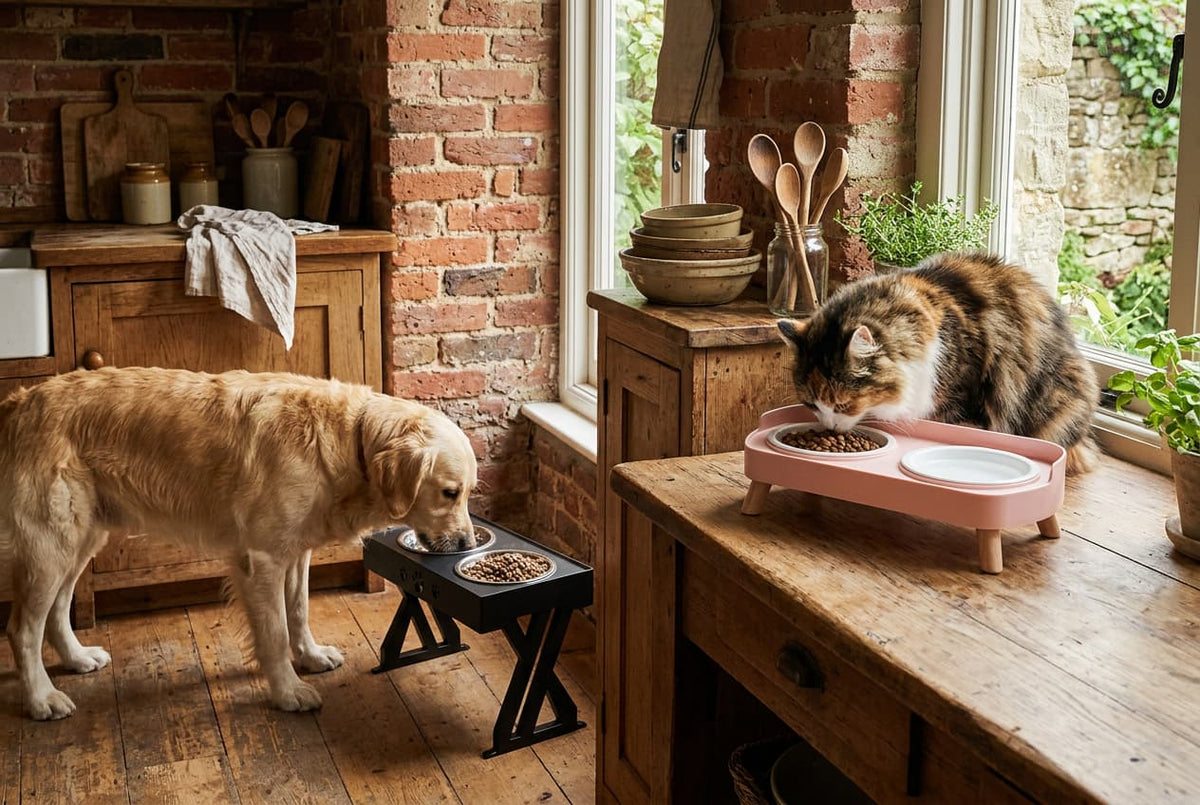
Tip: Make sure your dog's food bowl is clean and placed at a comfortable height. An Elevated Adjustable Double Dog Feeding Station 👈 can make mealtimes more comfortable, particularly for older dogs or those with joint issues.
2. Excessive Thirst or Urination
If your dog is drinking significantly more water than usual or needing to go outside more frequently, this could be a sign of diabetes, kidney disease or a hormonal condition. While it's easy to dismiss as a hot day or an active morning, persistent changes in thirst and urination should always be checked by a vet.
3. Vomiting or Diarrhoea
The occasional upset stomach happens to every dog — but vomiting or diarrhoea that lasts more than 24 hours, contains blood, or is accompanied by lethargy is a red flag. Dehydration can set in quickly, particularly in smaller breeds, so don't wait too long before seeking advice.
4. Lethargy or Unusual Tiredness
Every dog has lazy days, but if your dog seems unusually tired, withdrawn or unwilling to move for more than a day or two, something may be wrong. Lethargy is one of the most common signs of illness in dogs and can indicate anything from an infection to pain to a more serious underlying condition.
5. Difficulty Breathing or Persistent Coughing
Laboured breathing, wheezing, or a cough that won't go away should never be ignored. These symptoms can point to respiratory infections, heart conditions or even lungworm — all of which require prompt veterinary attention. If your dog is struggling to breathe at any point, treat it as an emergency.
6. Changes in Weight
Unexplained weight loss or sudden weight gain can both be signs of an underlying health issue. Rapid weight loss in particular can indicate parasites, digestive problems or serious illness. If your dog's weight has changed noticeably without a change in diet or exercise, book a vet appointment.
7. Scratching, Hair Loss or Skin Problems
Some scratching is completely normal, but excessive itching, bald patches, redness or sores on the skin can point to allergies, parasites, fungal infections or hormonal imbalances. Left untreated, skin conditions can become very uncomfortable for your dog — so it's worth getting checked sooner rather than later.
Tip: Regular grooming helps you spot skin changes early. The 2-in-1 Easy Clean Pet Grooming Brush 👈 makes it easy to check your dog's coat and skin during every grooming session.
8. Swollen or Painful Abdomen
A bloated or tender stomach is a serious warning sign, particularly in larger breeds. Bloat — known medically as Gastric Dilatation-Volvulus (GDV) — is a life-threatening condition that requires emergency treatment. If your dog's stomach looks swollen, they seem uncomfortable, or they're retching without vomiting, get to a vet immediately.
9. Changes in Behaviour or Personality
You know your dog better than anyone — so trust your instincts. If your usually friendly dog becomes withdrawn, aggressive or unusually anxious, it could be a sign of pain, neurological issues or cognitive decline, particularly in older dogs. Sudden personality changes should always be investigated.
Tip: Anxiety and stress in dogs can often be helped with the right support at home. The Calming Heartbeat Comfort Plush 👈 is a wonderful tool for dogs who struggle with separation anxiety or nervousness.
10. Limping or Difficulty Moving
Occasional stiffness after a long walk is one thing — but persistent limping, reluctance to climb stairs or difficulty getting up from lying down should be taken seriously. These can be signs of joint pain, arthritis, injury or even bone disease. Early intervention makes a huge difference to your dog's quality of life.
Tip: For dogs with joint issues, an Elevated Adjustable Double Dog Feeding Station 👈 reduces the strain of bending down to eat — a small change that can make a big difference to their comfort day to day.
When in Doubt, Call Your Vet
As a general rule — if something feels off, trust your instincts and pick up the phone. Vets would always rather reassure you that everything is fine than see a dog who has been suffering in silence. You know your dog better than anyone, and your instincts as a pet owner are one of the most powerful tools you have.
Keep Your Dog Healthy and Happy Every Day
Spotting the signs early is one of the best things you can do for your dog's health — but great everyday care makes a difference too. From the right nutrition and regular grooming to keeping them comfortable at home, the small things really do add up.
🐱 Do you have a cat at home too? Our guide — 10 Signs Your Cat May Need to See the Vet — is coming out next Tuesday at 7am. Keep your eyes peeled!
Loved this guide? Share it with a fellow pet owner who needs it! 🐾
Ready to give your dog the very best? Browse our full range at Urban Pet Shop 👈
Shop now at urbanpetshop 👈
🚚 Free UK shipping on all orders over £24.99
🍂 Autumn Sale — up to 35% off, automatically applied at checkout, no code needed!

Leave a comment
This site is protected by hCaptcha and the hCaptcha Privacy Policy and Terms of Service apply.